

About Fourwords Solutions
We acknowledge with respect the Lekungen peoples on whose traditional territory we reside, and the Songhees, Esquimalt and WSÁNEĆ peoples whose historical relationships with the land continue to this day.
We use the term “Survivor” as an inclusive term for anyone who has experienced sexual assault. We respect each individual’s right to choose how they wish to identify, and recognize that not all people who have experienced sexual assault identify as a Survivor.
Who we are
Fourwords Solutions is a female-owned Canadian social enterprise committed to improving access justice and care for survivors of sexual assault in rural, remote, and under-served communities. We build tools and resources for evidence collection and documentation alongside industry experts.
Fourwords Solutions exists alongside the system, not as a replacement for it. We believe every person deserves options after sexual assault and build tools and resources to ensure they do.
In everything we do, we seek to reduce harm.
-
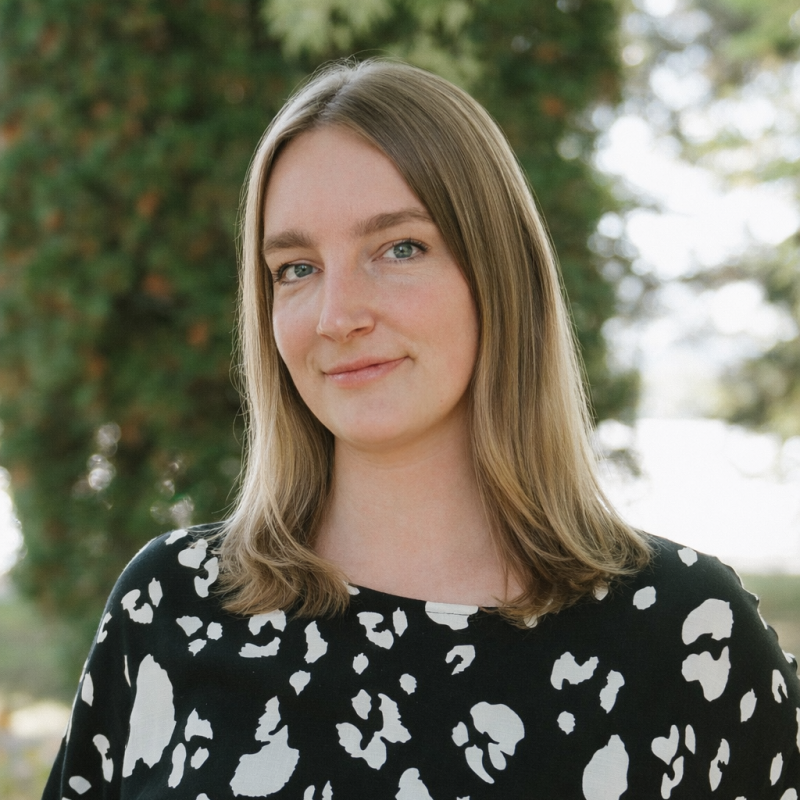
Chloe Hunt
FOUNDER
For the past five years, Chloe has studied how countries around the world have successfully formalized DNA evidence self-collection. While working on a research team investigating the barriers to care that Survivors face in Canada after sexual assault, she decided to found Fourwords Solutions and create the paceKit. For nearly three years, she has led this work out of a belief that approaches proven in other countries can be adapted to close the gaps in Canada’s sexual assault response. All work on the paceKit has been self-funded. -
Kimberley Lord
RESOURCE DEVELOPMENT COORDINATOR
Kim is the Project Development Coordinator at Fourwords Solutions, where she brings her background in research, survivor support, and advocacy to work that centres the experiences and needs of survivors of sexual violence. She is passionate about turning research and community knowledge into practical, accessible resources that can make systems easier to navigate. -
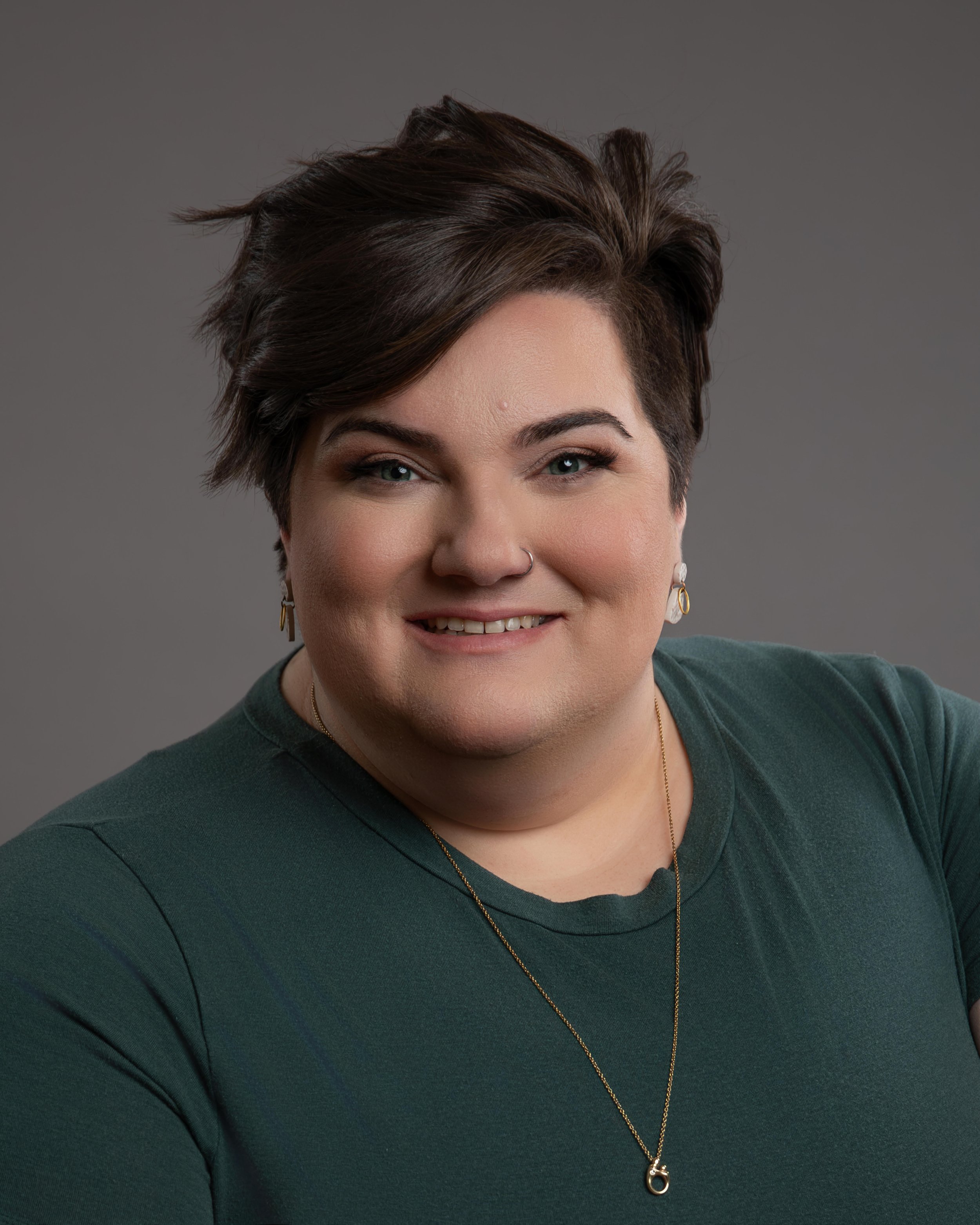
Kendra Kurisu
ADVISOR
Kendra Kurisu is an RCMP veteran with specialized experience in intimate partner violence (IPV) and gender-based violence (GBV). She remains actively engaged in community-based violence prevention and coordination, working collaboratively with organizations across British Columbia to develop strategies, strengthen community responses, and advance efforts to address intimate partner violence.
-
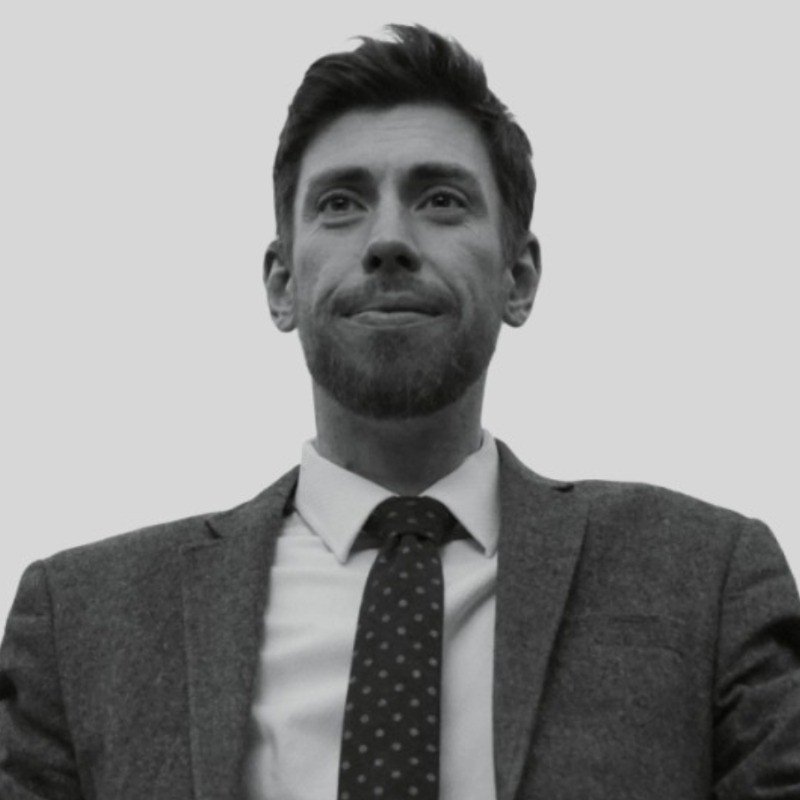
Stewart Leckie
ADVISOR
Stewart Leckie is Director of Military, Defence & Dual-Use Technologies and a Canadian Armed Forces veteran. As Strategic Advisor to Fourwords Solutions, he brings experience navigating asymmetric power dynamics and the institutional and policy systems that shape access to survivor support. -
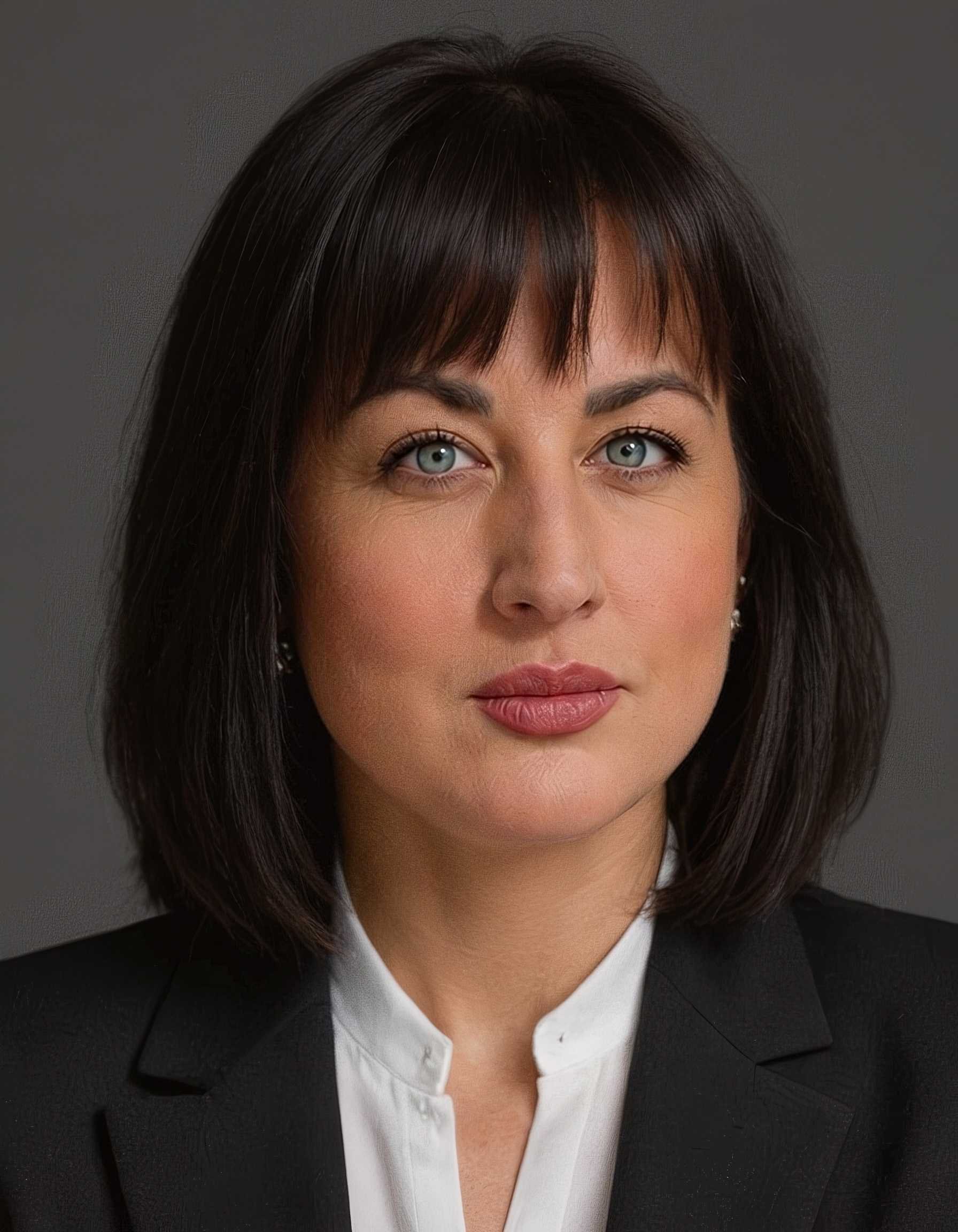
Andrea MacLeod
ADVISOR
Corporal Andrea MacLeod (Rtd) is a decorated veteran of the Royal Canadian Mounted Police, where she served for more than two decades as a police officer and forensic specialist.
We are passionate about systemic change and believe circumstance, nor background should determine someone’s access to options after sexual assault.
WHAT INSPIRES USNational Inquiry into MMIWG — Calls for Justice
Call for Justice 5.5: We call upon all governments to fund the provision of policing services within Indigenous communities in northern and remote areas in a manner that ensures that those services meet the safety and justice needs of the communities and that the quality of policing services is equitable to that provided to non-Indigenous Canadians. This must include but is not limited to the following measures:
iii Capacity must be developed in investigative tools and techniques for the investigation of sexualized violence, including but not limited to tools for the collection of physical evidence, such as sexual assault kits, and specialized and trauma-informed questioning techniques.